Cross-Border Adventures: Driving Seamlessly Between Schengen and Non-Schengen Countries
Planning to drive across Europe’s borders? Learn what you need to know about crossing between Schengen and non-Schengen countries — from insurance and vehicle documents to customs and road rules.
Exploring Europe Beyond Borders
For many travelers, the beauty of a European road trip lies in its freedom — the ability to cruise from France to Germany to Italy without once flashing a passport. That’s the power of the Schengen Zone. But what happens when your adventure takes you beyond it — to countries like Croatia (now Schengen), Serbia, Montenegro, or even the UK?
Driving between Schengen and non-Schengen countries can be both thrilling and a little tricky if you’re not prepared. Here’s how to make sure your next cross-border adventure goes smoothly.
1. Know the Difference: Schengen vs. Non-Schengen
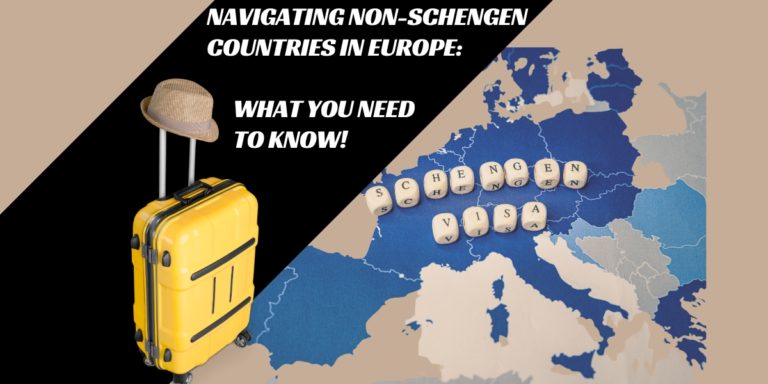
The Schengen Area includes most EU countries, plus Iceland, Norway, Switzerland, and Liechtenstein. Within this zone, there are no routine border checks, meaning you can drive freely from one country to another.
However, non-Schengen countries — such as Albania, Serbia, Montenegro, Bosnia & Herzegovina, and the UK — have their own border controls and often require passport checks and specific car documentation.
2. Documents You’ll Need at Non-Schengen Borders
When driving across Schengen borders, you may rarely get stopped, but when entering or exiting the Schengen Zone, border officials will want to see:
✅ Passport or residence permit (valid for your entire stay)
✅ Vehicle registration documents (Fahrzeugschein)
✅ Proof of insurance — the International Insurance Card (Green Card)
✅ Driving license (EU or international, depending on your country of origin)
At CarTurf, we ensure all our registered vehicles come with the Green Card, now officially called the International Insurance Card, which covers you for cross-border travel across most European countries.
3. Insurance: The Key to Seamless Cross-Border Travel
Not all insurance automatically covers non-Schengen countries. Before hitting the road, double-check:
- Your Green Card lists the countries where you’re covered.
- Some Balkan countries or non-EU destinations may require extra coverage or a temporary border insurance policy, which can be bought at the border.
- Make sure your coverage includes liability, partial, or full comprehensive depending on your comfort level.
If you’re traveling long-term, CarTurf can help adjust your coverage between partial and full depending on whether you’re actively driving or storing your vehicle — saving you money while keeping you protected.
4. Customs and Border Checks
Unlike Schengen borders, non-Schengen crossings can involve:
- Vehicle inspections
- Customs declarations (especially if carrying high-value goods)
- Questions about your itinerary or length of stay
Always keep your vehicle ownership documents and CarTurf registration handy. Border officials often want proof that the car isn’t stolen or imported without duty.
5. Road Rules and Safety Differences
Every European country has its quirks:
- Speed limits can change dramatically (e.g., 130 km/h in France, 110 in Serbia).
- Toll systems differ — some use vignettes (like Switzerland), others charge per highway section.
- Emergency numbers and mandatory safety gear (like vests and warning triangles) vary.
Before crossing, take 5 minutes to check local regulations. It can save you from a costly fine.
6. Travel Example: From Munich to Montenegro
Let’s imagine you’ve bought and registered your vehicle through CarTurf in Germany. You set off from Munich and cross Austria, Slovenia, and into Montenegro — covering both Schengen and non-Schengen territory.
With your CarTurf registration and Green Card, border crossings are smooth. You only need to show your passport, registration, and insurance at non-Schengen entry points. Once inside, you can enjoy the Adriatic coast without worrying about your car’s legal status.
7. Returning to the Schengen Zone
When returning from a non-Schengen country, expect another passport control. Make sure your Schengen visa (if applicable) allows for multiple entries. Many travelers forget this — and a single-entry visa can complicate re-entry even if your car documents are perfect.
8. How CarTurf Makes Cross-Border Travel Easy
At CarTurf, we specialize in helping non-EU travelers buy, register, and insure vehicles for European travel — even if you don’t have a local address.
Once your car is registered and insured with us, you’ll receive:
- Official German registration and plates
- International Insurance Card (Green Card) for cross-border travel
- Support for customs and paperwork if needed
- Optional delivery to your arrival airport in Germany or another EU country
So whether you’re planning to explore the Alps, the Balkans, or the British Isles, your adventure stays simple — and 100% legal.
Final Thoughts
Driving between Schengen and non-Schengen countries opens up a whole new dimension of European exploration — from the fjords of Norway to the beaches of Albania. With the right preparation, insurance, and documentation, crossing these borders becomes part of the fun.
At CarTurf, we make it possible for anyone — even without a European address — to own, register, and enjoy a car anywhere in Europe.
Ready to start your own cross-border road trip?
👉 Visit MyCarTurf.com and let us help you hit the road — from Germany to Greece and everywhere in between.